Creating 3D animations involves turning ideas into moving visuals that can explain, illustrate, or entertain. At
Rizzbit, we focus on building animations that are clear, detailed, and easy to understand.
From character modeling to motion sequences, each step is carefully designed to bring concepts to life in a
visually organized way.
A 3D animation project usually starts with planning and storyboarding. This step helps map out scenes, camera
angles, and key movements, ensuring that the final animation communicates the intended idea. Once the plan is
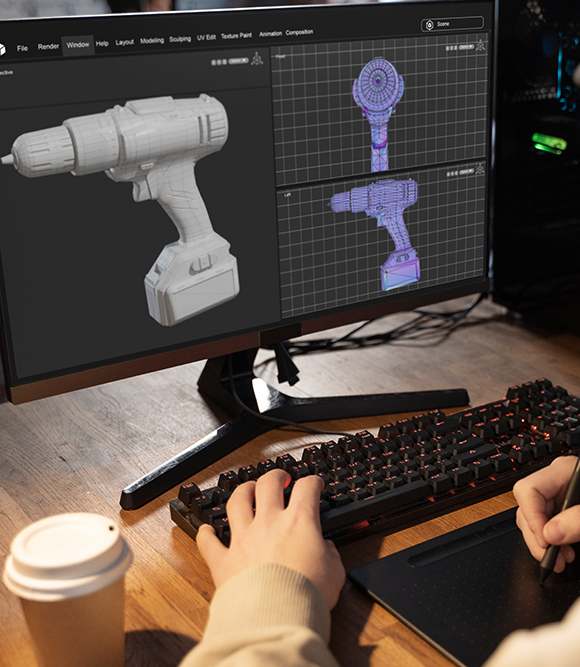
ready, models and environments are created digitally. Objects, characters, and settings are shaped in three
dimensions so that they can move and interact naturally within a scene.
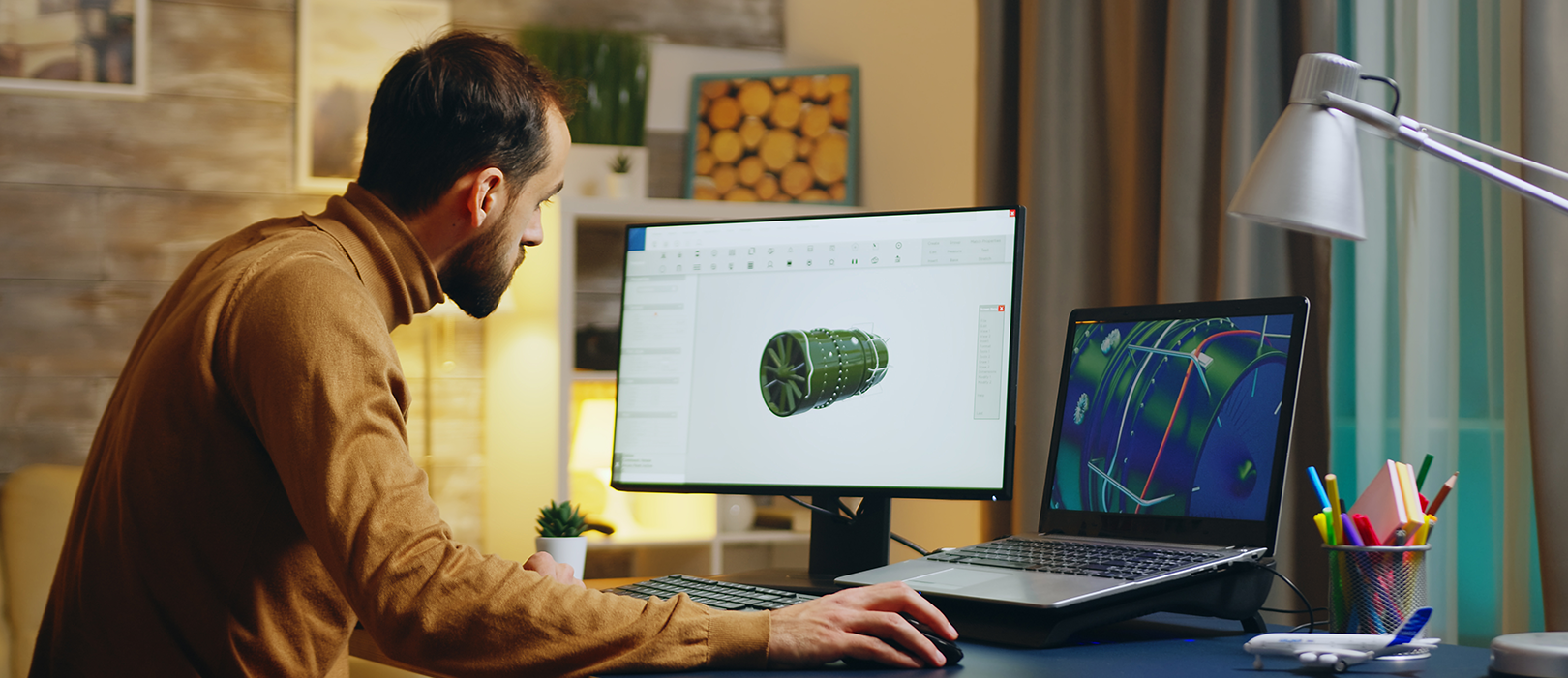
After modeling, the animation process begins. Movements are applied to characters and objects, and the timing is
adjusted to match the desired flow. Lighting and textures are added to give depth and realism, making each scene
feel more lifelike. Colors, shadows, and details are carefully adjusted so that the animation is visually
consistent and easy to follow.
Finally, the animation is rendered and reviewed. Any adjustments needed for smoothness or clarity are made
before the final version is completed. This process ensures that the animation effectively communicates the
message while remaining visually engaging and easy to watch.
What is 3D animation?
3D animation is the process of creating moving visuals using three-dimensional models. It allows
characters, objects, and environments to appear lifelike and move naturally. This technique is used to
explain concepts, tell stories, or present ideas visually. Each animation combines modeling, motion,
textures, lighting, and rendering to create the final video.
How long does a 3D animation project take?
The duration of a 3D animation project depends on its complexity, length, and level of detail. Simple
animations can take a few days, while longer or more intricate projects may take several weeks. Proper
planning, modeling, and review stages are important to ensure the animation is accurate and flows
smoothly.
3. What platforms do you use for web development?
Various software tools are used in 3D animation, including Blender, Maya, 3ds Max, and Cinema 4D. These
programs allow designers to create models, add textures, set up lighting, and animate objects or
characters. The choice of software depends on the project requirements and the type of animation being
created.
Can 3D animation be used for presentations?
Yes. 3D animation is ideal for presentations, as it can illustrate complex ideas, product features, or
processes visually. Animated scenes help the audience understand concepts quickly and clearly, making
presentations more engaging and easier to follow compared to static images or text-heavy slides.
Do I need a script for 3D animation?
A script or storyboard is recommended before starting a 3D animation. It outlines scenes, actions, and
dialogue, helping to organize ideas and plan the animation flow. Having a clear script ensures that the
final animation communicates the intended message accurately and efficiently.
Can I make changes during the animation process?
Yes. Most 3D animation projects include review stages where changes can be made. Adjustments to
movements, timing, colors, or models can be incorporated based on feedback. This allows the animation to
better align with your goals and ensures that the final output meets expectations.